October 23, 2026
When a home needs several updates, deciding where to begin can feel overwhelming. Some projects address safety concerns, while others improve comfort, functionality, or appearance. A strategic approach helps homeowners determine which improvements deserve immediate attention. Working with a local home remodeling company can provide guidance when evaluating priorities, establishing a budget, and coordinating renovations. By assessing the home's condition and setting clear goals, homeowners can make informed decisions that support their needs and long-term plans.
Evaluate Your Home's Current Needs
Identify Safety and Structural Concerns
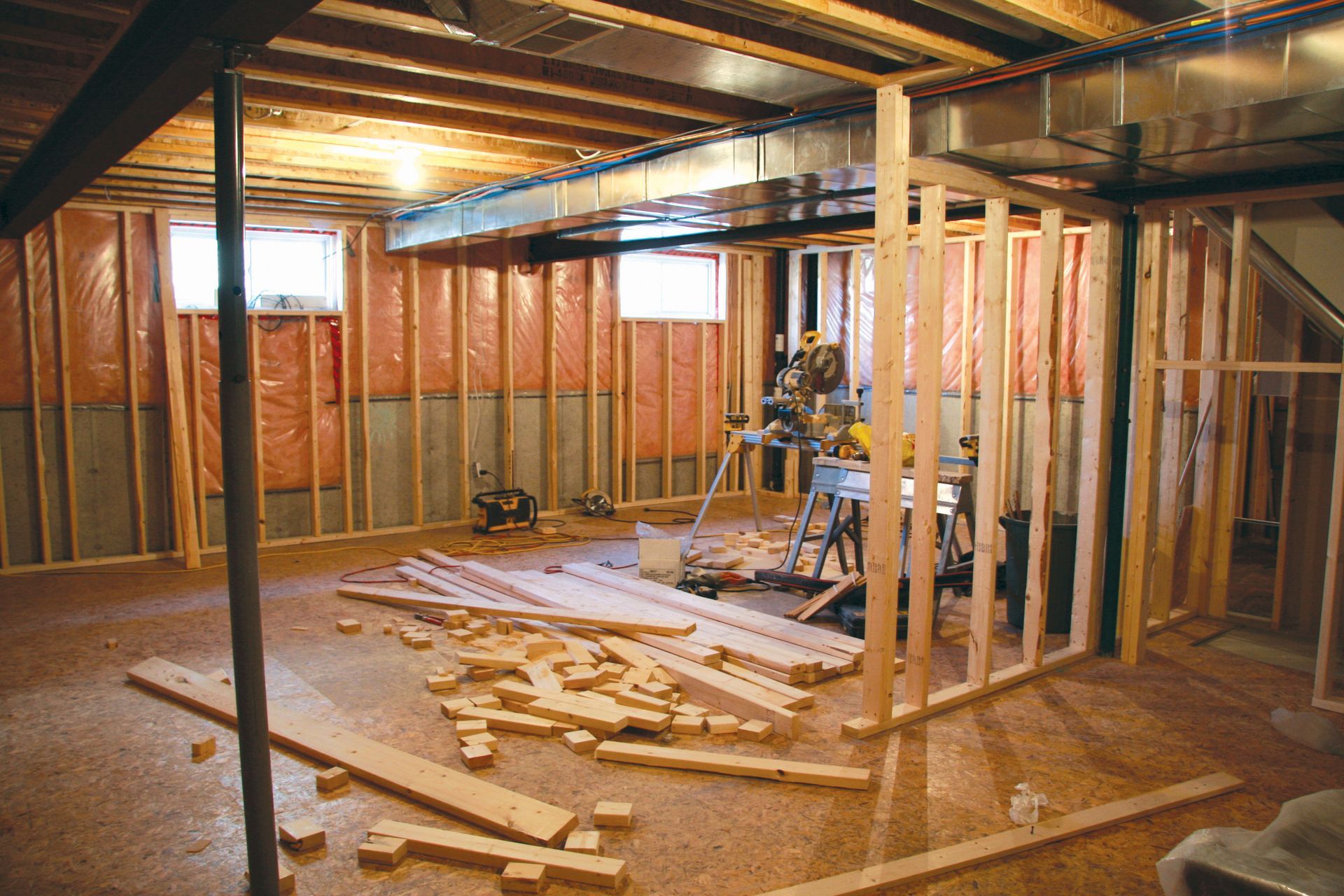
Before planning cosmetic improvements, homeowners should identify problems that could threaten safety or cause additional damage. Roof leaks, foundation concerns, faulty wiring, and plumbing failures deserve prompt attention because delaying repairs can lead to more extensive problems. A professional inspection can uncover issues that may not be immediately visible. Addressing these concerns first creates a safer foundation for future remodeling projects and helps prevent avoidable expenses.
Assess the Condition of Major Home Systems
Major systems, including heating and cooling equipment, plumbing, electrical components, and roofing, can influence remodeling priorities. Homeowners should consider each system's age, performance, and maintenance history when determining whether repairs or replacements are necessary. An experienced local home remodeling company can help evaluate these needs within a broader renovation plan. Resolving maintenance concerns early can also make scheduling cosmetic upgrades easier.
Separate Functional Improvements From Cosmetic Updates
Not every remodeling project serves the same purpose. A kitchen with inadequate storage may require functional changes, while outdated finishes might primarily affect its appearance. Homeowners should consider how each issue affects daily routines before deciding what to address first. Functional improvements generally deserve priority when they create persistent inconveniences. Cosmetic updates can follow once essential repairs and practical needs have been addressed.
Establish Clear Remodeling Goals
Define Immediate and Future Priorities
Creating a list of remodeling goals helps homeowners distinguish urgent projects from improvements that can wait. Immediate priorities might include repairing damaged areas or replacing failing fixtures, while future plans could involve updating a bathroom or reconfiguring a living space. Organizing projects into manageable phases makes it easier to allocate resources. A local home remodeling company can help establish a practical order of work.
Match Renovations to Household Needs
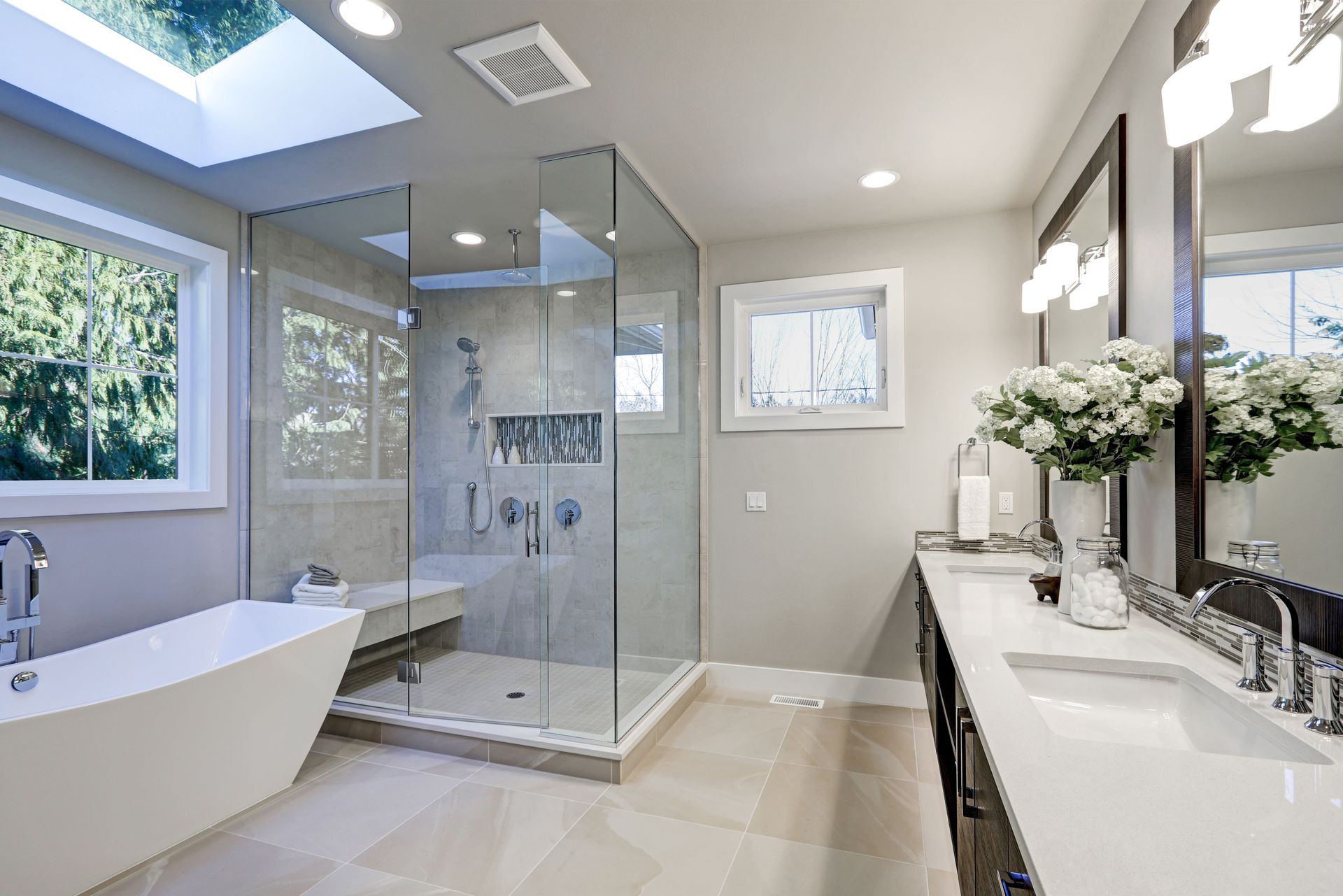
A successful remodeling plan should reflect how a household uses its space. Growing families may need additional storage or more functional common areas, while homeowners planning to age in place might prioritize accessible bathrooms and easier movement between rooms. Others may want dedicated spaces for working or entertaining. Identifying these needs before construction helps ensure renovations improve everyday comfort.
Consider Energy Efficiency and Long-Term Comfort
Energy-efficient improvements can make a home more comfortable while helping reduce utility expenses. Depending on the property's condition, homeowners might consider better insulation, energy-efficient windows, improved lighting, or updated equipment. Evaluating these projects alongside other renovation needs helps determine which improvements offer the most practical benefits over time.
Create a Realistic Remodeling Budget
Estimate the Costs of Essential Repairs
Understanding likely expenses is essential when deciding which projects to complete first. Costs depend on the scope of work, material selections, labor requirements, and existing conditions. Homeowners should gather detailed estimates and clarify what each proposal includes before committing. Prioritizing necessary repairs ensures that available funds address pressing needs before optional enhancements.
Compare Project Value and Practical Benefits
When choosing between upgrades, homeowners should weigh costs against the benefits each project provides. A renovation might improve convenience, reduce maintenance demands, increase usable space, or support future resale plans. However, the most worthwhile project is not always the one with the highest potential financial return. A local home remodeling company can help homeowners evaluate options that support their goals.
Reserve Funds for Unexpected Expenses
Renovations can reveal hidden damage, outdated materials, or additional work that was not apparent initially. Setting aside a contingency fund helps homeowners respond to these discoveries without disrupting the entire project. Maintaining financial flexibility allows essential improvements to continue while reducing the risk of exceeding the available budget.
Determine Which Improvements Offer Lasting Benefits
Consider the Home's Condition and Market Appeal
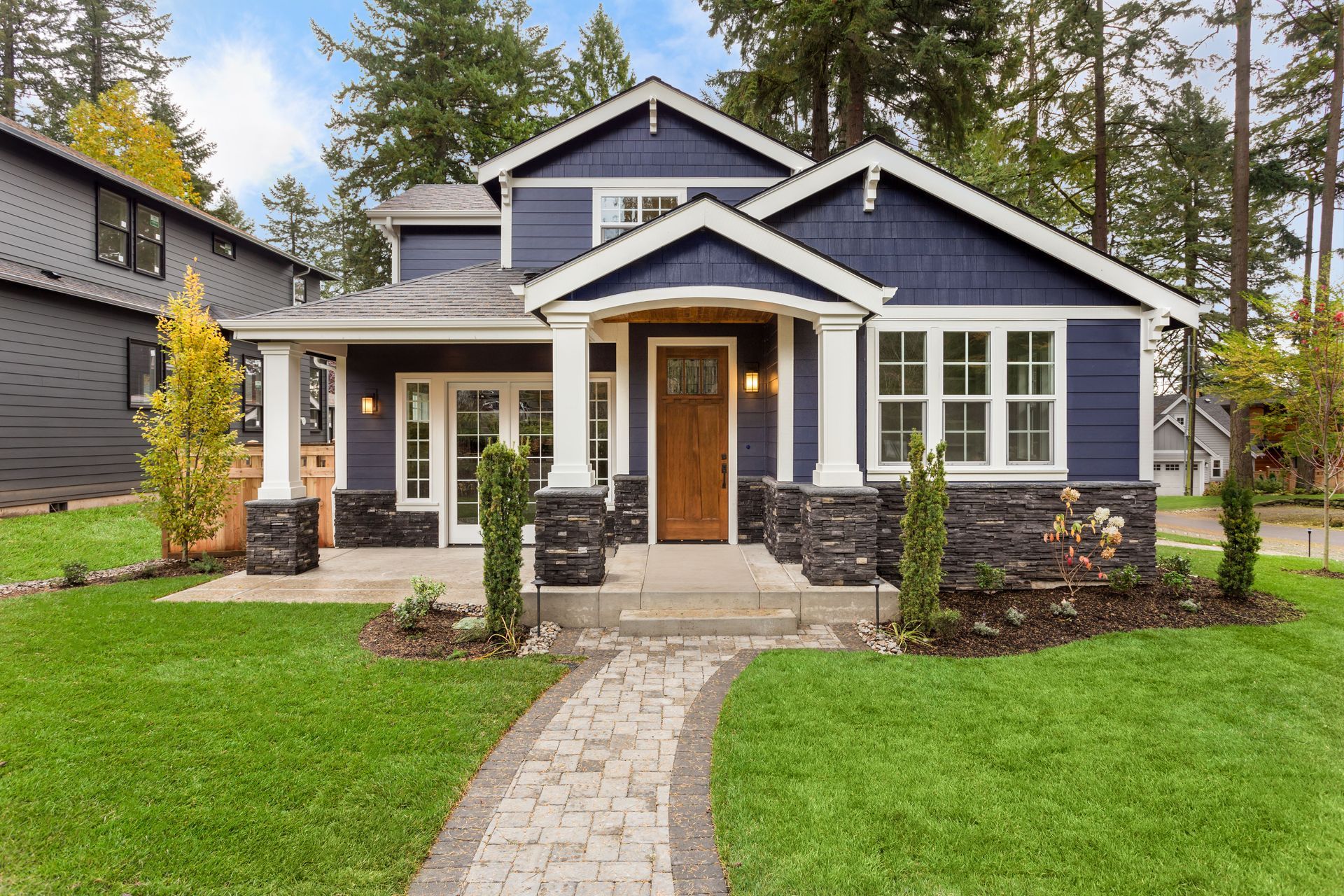
A home's overall condition can influence how buyers perceive its value and anticipated maintenance needs. According to the National Association of Realtors, a home's condition has become a non-negotiable factor for 46% of today's buyers. This makes addressing visible deterioration and underlying problems important when planning renovations. Homeowners who may sell should consider how repairs affect the property's presentation and condition.
Research Local Buyer Preferences
Home improvement priorities vary depending on a property's location, age, and surrounding market. Some buyers value updated kitchens and bathrooms, while others prioritize flexible living areas, storage, or energy efficiency. Homeowners considering resale should research comparable properties and consult real estate professionals before committing to major upgrades. A local home remodeling company can also help evaluate design choices that improve functionality and complement the home's character.
Balance Resale Potential With Personal Enjoyment
Although resale value may influence renovation decisions, homeowners should also consider how long they intend to remain in the property. Improvements that make daily life easier can be worthwhile even when their financial return is difficult to predict. Durable materials, practical layouts, and timeless design elements can support both personal satisfaction and future appeal.
Plan the Remodeling Timeline Carefully
Sequence Projects in a Practical Order
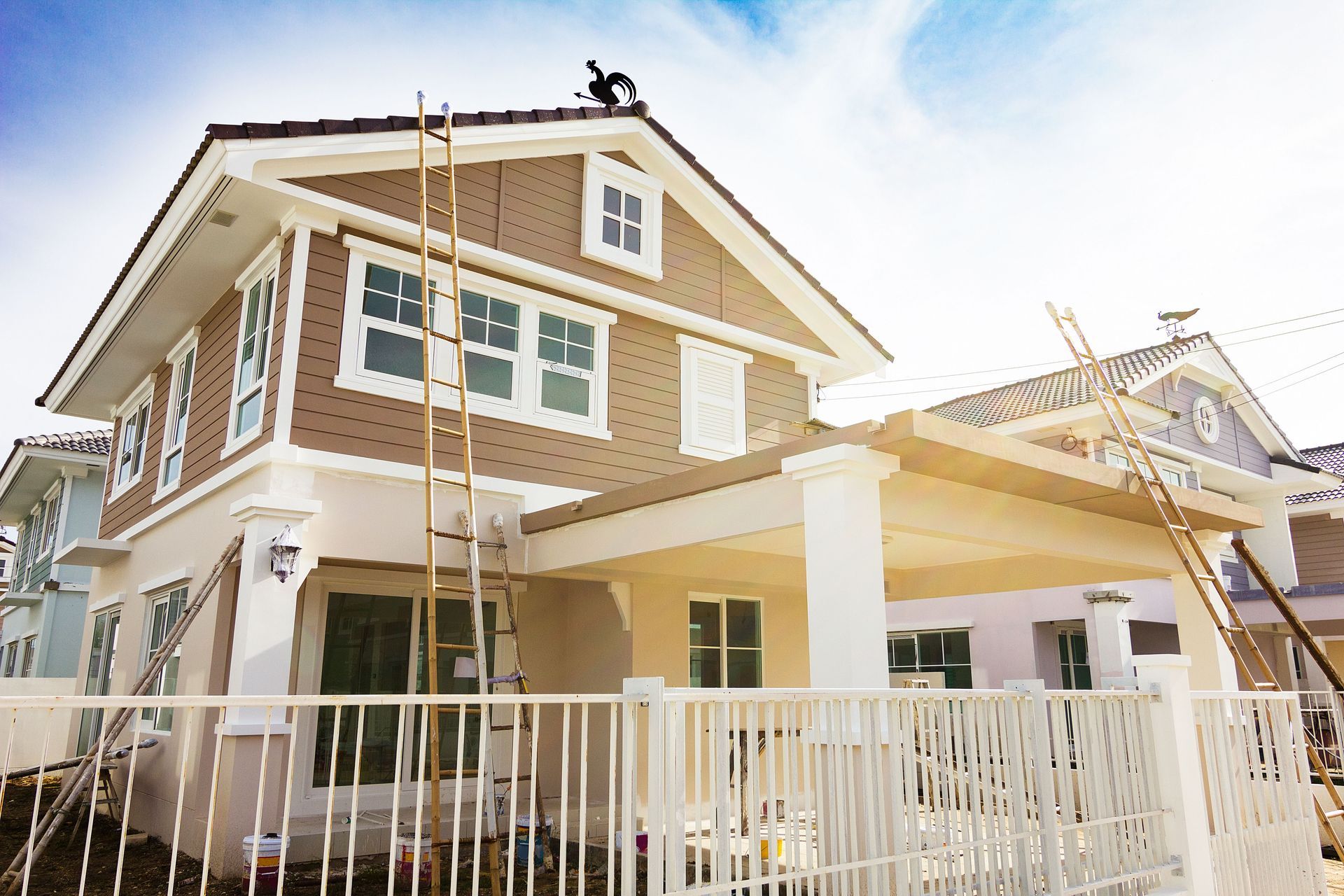
The order of renovations can affect efficiency and cost. Structural repairs and essential system work generally need to happen before finishing touches such as flooring, painting, and decorative installations. Coordinating related projects can reduce duplicated labor and prevent newly completed areas from being damaged during later construction. Homeowners should establish a sequence that accounts for dependencies between tasks.
Coordinate Contractor Availability and Materials
Project schedules depend on contractor availability, material delivery, inspection requirements, and the complexity of the work. Confirming these details before construction helps homeowners establish realistic expectations. Homeowners should also discuss potential scheduling changes and determine which decisions must be finalized before work starts.
Allow Flexibility for Unexpected Delays
Hidden damage, product availability, or changes in project requirements can affect completion dates. Building flexibility into the timeline makes it easier to address complications without rushing decisions or compromising workmanship. Regular communication helps homeowners stay informed while keeping the project focused on its main objectives.
Manage Each Remodeling Project Effectively
Maintain Clear Communication
Consistent communication helps homeowners and contractors remain aligned on project goals, costs, materials, and schedules. Before work begins, homeowners should clarify responsibilities, approval procedures, and expectations for progress updates. Keeping important decisions documented also provides a useful reference if adjustments become necessary.
Monitor Workmanship and Project Progress
Checking progress throughout a renovation helps confirm that completed work matches the agreed-upon plans. Homeowners should review milestones, discuss concerns, and arrange appropriate inspections when necessary. Addressing discrepancies early is generally easier than correcting them after completion. Attention to workmanship also supports the durability of the improvements.
Review Results Before Planning Additional Updates
After completing a project, homeowners should evaluate whether it resolved the original problem and achieved the intended results. This review can reveal new priorities and help refine the budget for future work. Rather than starting every remaining project immediately, homeowners can use these insights to make better decisions about the next phase.
Start Your Home Remodeling Plan With Confidence
Prioritizing home improvements begins with understanding the property's condition, identifying essential repairs, and establishing realistic goals. From budgeting and scheduling to evaluating long-term benefits, each decision should reflect the household's needs and resources. Working with a knowledgeable local home remodeling company can help homeowners organize these decisions and develop a cohesive plan. Contact General Cape LLC to discuss your remodeling goals and explore practical ways to prioritize your home's most important updates.